How often should you schedule chimney maintenance in Orange?
Most Orange, NJ chimneys need a professional inspection and cleaning once a year. Here is the schedule, the 2026 costs, and the local warning signs we see most.
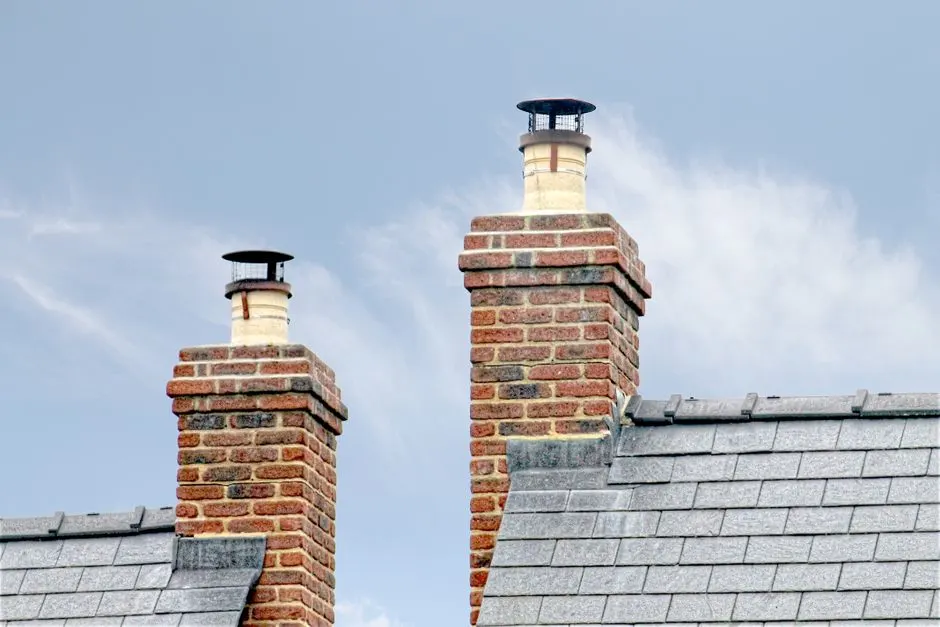
Schedule chimney maintenance once a year for almost every home in Orange, New Jersey. That single annual visit covers the inspection, the cleaning, and the small repairs that keep a chimney safe through a full heating season. If you burn wood more than three cords a year, or you run a fireplace insert as your main heat source, we move you to twice a year.
That is the whole answer. What follows is how we build that schedule for Orange homes specifically - the 1890s brick on Ridge Street, the 1920s stucco near the Highland Avenue shops, the newer builds off Central Avenue - plus 2026 pricing, the best month to book, and the warning signs that mean you should not wait for the calendar.
The short answer: once a year for most Orange homes
Chimney maintenance in Orange, New Jersey is an annual service that clears creosote, checks the flue liner, and repairs the crown, flashing, and mortar before water and heat turn small defects into rebuilds. The National Fire Protection Association sets the baseline at one inspection and cleaning per year for solid-fuel appliances. Orange sits inside that rule without exception.
Here is how we split it by usage:
- Gas fireplace, occasional use: one annual inspection. Cleaning is often light or skipped.
- Wood fireplace, 1-2 cords per season: one cleaning and inspection every 12 months.
- Wood insert or wood stove, 3+ cords: clean every 6 months, inspect each time.
- Oil furnace venting through the chimney: annual inspection, cleaning as needed.
- Vacant or seasonal property: annual inspection, plus a check after any storm.
If you are not sure which bucket your house falls into, start with a chimney inspection service in Orange, New Jersey and we will tell you plainly what cadence your flue actually needs.
Why Orange chimneys need annual maintenance
Orange chimneys take a harder beating than most of Essex County because of the housing stock. A large share of the city was built between 1880 and 1930, which means original brick, lime mortar, and clay tile liners that have already absorbed a century of freeze-thaw cycles. Those materials do not fail suddenly. They fail in a predictable order: mortar joints soften, water gets behind the brick, the crown cracks, and then the liner spalls.
Creosote is the other half of the equation. Wood smoke condenses on a cool flue and forms a tar-like deposit in three stages. Stage 1 is a light soot you can brush off. Stage 2 is a hardened flake. Stage 3 is a glazed, fuel-rich coating that burns at over 2,000°F if it ignites. A chimney fire at that temperature cracks tile liners and can push flame through mortar joints into the framing.
One more Orange-specific factor: our winters swing hard. A 40°F afternoon in January followed by a 15°F night is normal here, and that cycle pumps moisture in and out of masonry all season. A chimney that was fine in October can have a spalled crown by March.
We handle all of it under one roof - from Chimney repair to full rebuilds - so you are not juggling three contractors for one flue.
When is the best time to schedule chimney maintenance in Orange NJ?
Book in late August or September, before the first cold snap. That is the honest answer for Orange, and it is the same answer we give every year. Right now, in October, you are already at the edge of the window - the first heating fires are happening, and our schedule fills fast through Thanksgiving.
The seasonal logic is simple:
- September-October: best availability, best weather for roof work, and any masonry repairs cure before the freeze.
- November-December: peak demand. You will wait, and emergency calls jump.
- January-March: emergency-only territory. We are usually dealing with chimney leak repair in Orange, New Jersey after ice dams and nor'easters.
- April-May: second-best window. Good for waterproofing and crown work before summer heat.
- June-August: slowest season, easiest scheduling, and the right time for a full chimney restoration in Orange, New Jersey if the masonry is past patching.
If you burn wood, the practical rule is: clean it in the spring, inspect it in the fall. That way the flue sits clean all summer instead of holding corrosive creosote through the humid months.
What does chimney maintenance include in Orange, New Jersey?
A proper annual visit is not just a brushing. Here is the checklist we run on every Orange chimney, and you should expect the same from anyone you hire.
- Firebox and damper check. We test the damper for a tight seal and look for cracked firebrick.
- Flue inspection. Camera scan of the liner for cracks, gaps, and missing mortar joints.
- Creosote removal. Brushed to the bare liner, with the stage noted in your report.
- Crown inspection. Any crack wider than a credit card gets flagged - that is where most leaks start.
- Flashing check. The metal at the roof line is the number one source of water intrusion we find.
- Cap and spark arrestor. Missing or rusted caps let in rain, squirrels, and birds.
- Mortar joints and brick face. We probe for soft mortar and spalling brick.
- Chase and exterior. Looking for lean, cracks, and efflorescence - the white staining that means water is moving through the brick.
You get a written report with photos. If something needs work, we quote it on the spot with a fixed price. If nothing needs work, we tell you that too.
How much does chimney maintenance cost in Orange NJ?
Typical 2026 pricing in this area runs $150 to $350 for a standard inspection and cleaning on an accessible chimney. That is the honest range, and it depends on three things: how much creosote is in the flue, how steep the roof is, and whether the chimney is on an interior or exterior wall.
Here is what the rest of the work costs when we find problems:
- Chimney cap installation: $200-$500
- Crown repair or rebuild: $350-$900
- Flashing repair: $300-$700
- Tuckpointing: $20-$40 per square foot of face
- Chimney relining: $1,800-$4,500 depending on liner type and height
- Partial rebuild above the roof line: $3,000-$7,000
We quote every job at a flat rate before we start. No hourly surprises, no "we'll see when we get up there." If the number changes, it changes because we found something on the roof, and we call you before we touch it.
How often should you schedule chimney maintenance in Orange, New Jersey if you burn wood daily?
Twice a year, minimum. If you are running a wood stove or insert as primary heat, you are pushing 4 to 6 cords through that flue every winter, and creosote builds faster than most people expect. We have pulled stage 2 deposits out of flues that were cleaned 10 months earlier.
For heavy burners we recommend:
- A full cleaning in late spring, after the burning season ends.
- A mid-season inspection in January if you are burning daily.
- A pre-season inspection in September before you light the first fire.
Burning dry, seasoned wood makes a real difference. Wood at 20% moisture or less produces far less creosote than the green wood a lot of people end up with. If your wood sizzles when you touch a match to it, it is too wet.
Common mistakes we see on Orange chimney maintenance calls
These are the ones that cost Orange homeowners the most money, in roughly the order we see them.
- Skipping a year because "we barely used it." Water damage does not care whether you burned wood. A chimney that sat unused all winter still took on rain and freeze-thaw.
- Burning unseasoned wood. It is the fastest way to build stage 3 creosote.
- Ignoring a cracked crown. A $400 crown repair becomes a $6,000 rebuild once water gets into the brick.
- Patching mortar with the wrong mix. Modern Portland cement on 1890s lime mortar traps moisture and spalls the brick face. We see this constantly on the older homes near chimney masonry repair in Orange, New Jersey calls.
- Letting a chimney sweep "clean" without inspecting. A brush and a vacuum are not an inspection. You need a camera and a report.
- Waiting for a chimney fire to act. Most chimney fires are small, loud, and self-extinguishing - and they still crack liners.
When to call a professional
Call us if you see any of these, regardless of where you are in the annual cycle:
- White staining or crumbling mortar on the exterior brick
- Water in the firebox after rain
- A damper that will not seal or a fire that smokes into the room
- A rumbling sound like a low-flying plane during a fire - that is a chimney fire
- Brick flakes in the firebox, which usually means a failing liner
- Any visible lean or crack in the chase
Our team handles everything from a routine chimney cleaning service in Orange, New Jersey to a full chimney relining in Orange, New Jersey when the old tile is done. We work on the older homes around the Valley Arts District and the newer builds on the east side of town, and we know what each one tends to need.
Frequently Asked Questions
How often should I schedule chimney maintenance in Orange NJ?
Once a year for most homes. If you burn three or more cords of wood per season, or use a wood stove as primary heat, schedule it twice a year - once in spring and once in early fall.
What does chimney maintenance include in Orange, New Jersey?
A full visit covers a camera inspection of the flue, creosote removal, damper and firebox check, crown and flashing inspection, cap check, and a probe of the mortar joints. You get a written report with photos and a fixed quote for any repairs.
How much does chimney maintenance cost in Orange NJ?
Expect $150 to $350 in 2026 for a standard inspection and cleaning. Repairs are separate: caps run $200-$500, crowns $350-$900, flashing $300-$700, and relining $1,800-$4,500.
Do I need chimney maintenance every year in Orange, New Jersey?
Yes. The NFPA standard is one inspection per year for solid-fuel chimneys, and Orange's freeze-thaw winters make it non-negotiable. Even a gas fireplace should be inspected annually for liner and cap condition.
When is the best time for chimney maintenance in Orange NJ?
Late August through October, before the heating season starts. Spring - April and May - is the second-best window. Avoid November through January unless it is an emergency, because that is when every sweep in Essex County is booked solid.
Get help with Chimney repair in Orange
If your last cleaning was more than a year ago, or you have never had the flue inspected, book it now before the cold settles in. We will tell you exactly what your chimney needs and what it does not.
Call Hardy Zap at (844) 803-5147 to schedule your annual chimney maintenance in Orange, New Jersey.